My Next Step Worksheet

WASHINGTON COUNTY, OREGON

Veterans’ and surviving spouses’ benefits

Care, income, housing, and family benefits worth asking about. Start with a free review of your situation.

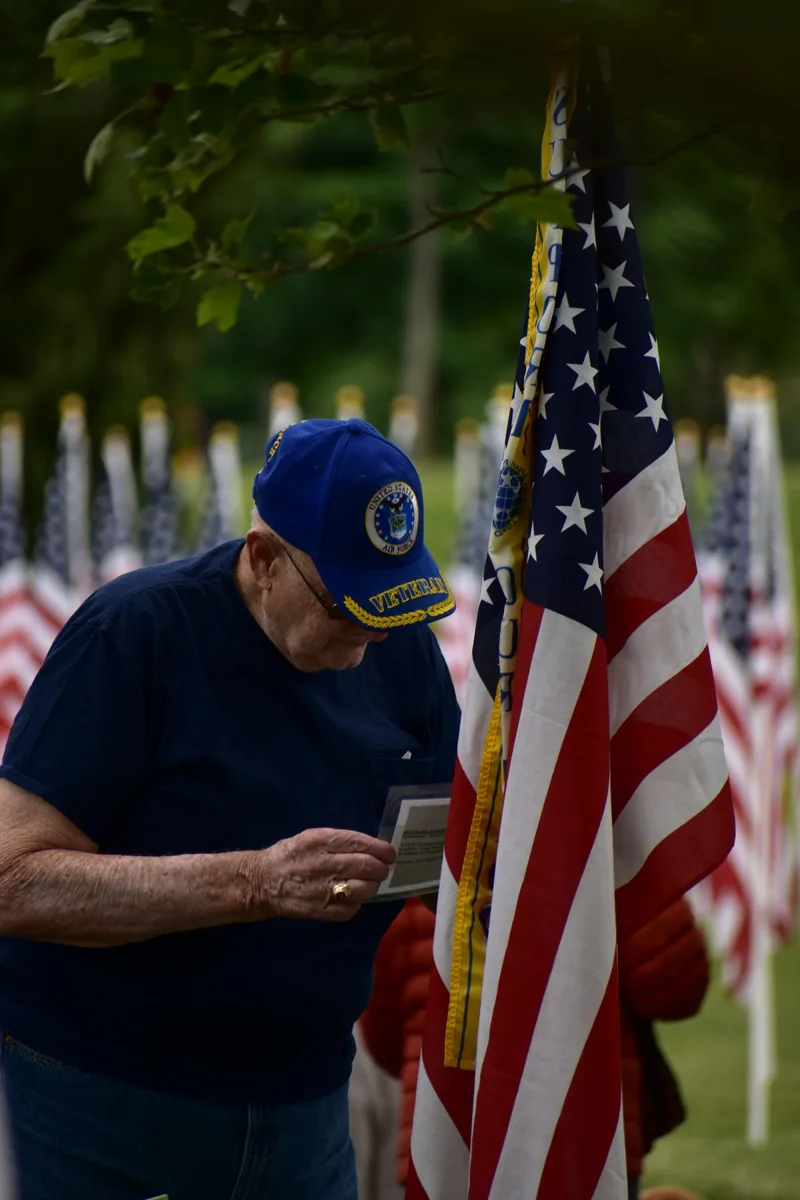
An older man in a veterans cap standing beside an American flag.

A benefits review is a good place to start.

Washington County Veteran Services offers free benefits assistance to veterans and their families. Its office is in Hillsboro at 5240 NE Elam Young Parkway, Suite 300. Call to arrange an appointment and ask what to bring.

Benefits, payment rates, and application rules can change. Your health, family circumstances, or an older denial may also make a fresh review worthwhile. Ask a veterans service officer to go over the full picture with you.

This county office helps with benefits claims; the Hillsboro VA Clinic below provides healthcare. They are separate offices.

Try: “I’d like a benefits review, including care, disability, pension, and anything available to my spouse or children.”

Help at home—and a break for caregivers

Veterans enrolled in VA healthcare may qualify for home health aides, skilled home health care, home-based primary care, or respite. The VA reviews the care needed and local availability; some services have copays.

Start with your VA primary care team or social worker. Describe the tasks that are becoming difficult, such as bathing, dressing, or managing care at home.

Homemaker and home health aide care · Skilled home health care

For caregiver support and help connecting with a local VA team: 855.260.3274 · VA Caregiver Support Line.

VA pension, Aid and Attendance, and Housebound

VA pension is income- and net-worth-based help for qualifying wartime veterans who meet age or disability requirements. Service and discharge rules apply; combat service isn’t required. It is a different benefit from military retirement, VA disability compensation, or VA healthcare.

Aid and Attendance can add to a qualifying pension when help is needed with daily activities, such as bathing, dressing, or eating. Housebound is another pension addition for qualifying permanent disability; these two pension additions aren’t paid together.

Ask the service officer to review household finances and unreimbursed medical or care expenses. These expenses may affect the pension calculation. Ask before gifting or moving assets—VA pension has asset-transfer rules.

Veterans Pension eligibility · Aid and Attendance and Housebound · Current pension rates and financial rules

Ramps, accessible bathrooms, and equipment

The Home Improvements and Structural Alterations program (HISA) can help eligible veterans with medically necessary home access or bathroom changes, including permanent ramps and roll-in showers. The VA reviews the need, application, and proposed work.

What about a stair lift? Stair glides, porch lifts, and portable ramps are handled as equipment rather than HISA structural work. Ask your VA clinician for an assessment and referral to Prosthetic and Sensory Aids Service. Approval depends on the situation; arrange the review before purchasing equipment or hiring a contractor.

Try: “I use a walker and can’t safely manage the stairs. Could someone assess the home and explain which equipment or modification programs might help?”

HISA eligibility and application requirements · VA guidance on HISA and equipment (PDF) · Other home repair resources

Benefits for surviving spouses

You don’t have to have served yourself to ask about survivor benefits. Losing a spouse can change both income and healthcare needs. Ask the county service officer to review these options with you.

Survivors Pension, with possible help for care

Survivors Pension provides monthly payments to qualifying surviving spouses of wartime veterans who meet income, net-worth, service, and marriage rules. If you also need help with daily activities or are housebound, ask about the related pension additions. Remarriage rules differ among programs; explain your circumstances.

Survivors Pension qualifications and application · Aid and Attendance for survivors

Dependency and Indemnity Compensation (DIC)

DIC is tax-free compensation for qualifying survivors when a service member died in the line of duty, a veteran died from a service-related condition, or certain total-disability rules apply. It is different from income-based Survivors Pension. VA generally pays the higher benefit if you qualify for both, rather than paying both together.

DIC eligibility, evidence, and how to apply · DIC rates and how benefits interact

Military Survivor Benefit Plan (SBP)

Ask about SBP if the veteran had military retirement survivor coverage. Eligible surviving spouses can receive both SBP and DIC in full following elimination of the SBP-DIC offset in 2023. SBP is separate from VA Survivors Pension.

DFAS: SBP and DIC

Healthcare through CHAMPVA

Some surviving spouses qualify for CHAMPVA based on the veteran’s service-connected disability or death. You generally can’t qualify if you are eligible for TRICARE. Ask about Medicare requirements, marriage rules, and your own coverage.

CHAMPVA eligibility and application

What should I bring?

Ask which records are needed. Start with service or discharge records, the marriage certificate, death certificate, existing VA decisions, and financial or care-cost information for a pension review. The county office can help you find the right application and keep track of deadlines.

Can I receive military retirement and VA disability?

Some eligible military retirees can receive both military retired pay and VA disability compensation through Concurrent Retirement and Disability Pay (CRDP). Combat-Related Special Compensation (CRSC) is a different program for qualifying combat-related disabilities.

These programs have their own service, retirement, and disability requirements. Qualifying for VA disability alone doesn’t mean you can also receive all of your military retired pay. Ask the service officer or DFAS to review your retirement type, service history, and rating. CRSC requires an application to your military branch; you can’t receive CRDP and CRSC at the same time.

DFAS: CRDP eligibility · Compare CRDP and CRSC

A veteran talking with a family member.

Could a veterans’ property-tax exemption lower your bill?

Qualifying disabled veterans and surviving spouses or registered domestic partners may receive an exemption on part of their home’s assessed value. That can reduce property taxes; it does not erase the entire bill.

Who may qualify?

  • A qualifying veteran with a certified disability rating of 40% or more, or an eligible surviving spouse or registered domestic partner.
  • An Oregon resident who owns and occupies the home as a primary residence.
  • Qualifying military service and discharge; survivors must also meet the marriage or partnership rules.

The state form includes a physician-certified disability route with income limits and annual filing. Ask which route fits your documentation.

What records should I gather?

Bring military discharge records (such as a DD-214), the required disability certificate, or survivor documents showing marriage or registered partnership and the veteran’s death. Include relevant revocable-trust documents if the home is held in trust.

When do I file?

The county’s regular filing window is January 1–April 1. Special deadlines or late-filing rules may apply after buying a home or receiving a new disability certification. If you missed April 1, ask the county about your options before assuming you must wait.

This exemption is not automatic and does not transfer to another home. Ask about refiling after a move or ownership change, and how much the exemption would reduce your own bill.

Washington County exemption details →

State claim form and instructions (PDF) · Tax Special Programs: 503.846.8741

For help finding service records or reviewing veteran benefits, call County Veteran Services: 503.846.3060.

A tax exemption reduces taxable value. Property tax deferral is a separate program that postpones payment and creates a repayable balance.

Can you have two VA home loans?

In some situations, yes. A qualified borrower may keep an existing VA loan and use remaining entitlement for another eligible home purchase. The amount of remaining entitlement, the county loan limit, and lender approval affect whether a down payment is needed.

The new purchase must meet VA occupancy requirements for a primary residence. This isn’t a way to use VA financing for a vacation home or a new investment property. Have a lender review your Certificate of Eligibility, existing loan, income, and proposed move.

Remaining entitlement and loan limits · VA home loan eligibility and restoring entitlement · VA buyer’s guide: reusing your benefit (PDF)

Local VA healthcare contacts

Hillsboro VA Clinic

1925 NE Stucki Avenue, Suite 300, Hillsboro. Services include primary care, mental health, audiology, and enrollment support. This location does not provide emergency services.

Clinic services, appointments, and current hours · 503.906.5000

Portland VA Medical Center

3710 SW US Veterans Hospital Road, Portland. Use the medical center’s page for services, directions, and appointment information.

Portland VA Medical Center · 503.220.8262

Not enrolled in VA healthcare?

How to apply for VA healthcare · Enrollment help: 877.222.8387

For an immediate medical emergency, call 911.

Missing your DD214 or service records?

The National Archives can help veterans and eligible next of kin request discharge documents, personnel records, and certain medical records. Use eVetRecs online or Standard Form 180; the site explains who can request records and where to send the request.

Basic non-archival records are generally provided without charge to veterans and authorized requesters. Older archival records can have fees. Ask the service officer what you need rather than paying a private company before checking the official options.

Request military service records · Standard Form 180 and mailing instructions

Denied VA benefits? Get help with the next step.

Save the decision and note the deadline. The county service officer can help identify the review or appeal route for your stage of the claim. Calling to ask a question may not count as filing an appeal. Ask what you need to submit by the deadline.

The Veterans Consortium Pro Bono Program

Its court-appeal program reviews qualifying cases after a denial by the Board of Veterans’ Appeals and may provide a free attorney for an appeal to the U.S. Court of Appeals for Veterans Claims. Eligibility includes having no attorney and a legal issue the program can argue.

The program states that a Board denial generally must be appealed to the Court within 120 days of the mailing date. This is a specific stage of appeal—not a universal deadline for every VA denial. Contact the program promptly and follow the decision’s instructions.

Court-appeal help, qualifications, and forms · Other Veterans Consortium resources · 888.838.7727, option 3

If an older claim involved toxic exposure, ask whether current PACT Act rules warrant another review. VA explains this option for survivor claims.

Your next step

  1. Call the county veterans service office and request a full review.
  2. Ask what records to bring; don’t postpone the call because you’re missing a document.
  3. Explain the help you need now and any older denials or changed circumstances.
  4. Write down the program, who to contact, how to apply, and any deadlines.

Print My Next Step Worksheet · More guidance after a denial · Other ways to pay for care

YOUR QUESTIONS, PLAIN ANSWERS

Where can veterans and surviving spouses get help reviewing benefits in Hillsboro?

Start with Washington County Veteran Services for a benefits review. Ask about care, pension, disability, survivor benefits, and housing needs. Bring existing decisions and service records if you have them; the guide also explains how to request missing records.